2 Kings 4: 1-7
This week we are looking at the story of the prophet Elisha, the widow and the jar of oil which doesn’t run out. In this story we see that Elisha is tending to the flock by caring for the widow and those around her. The abundance of oil is not just a quick fix to her money problems, but provides a livelihood for the woman, which benefits her family and community.
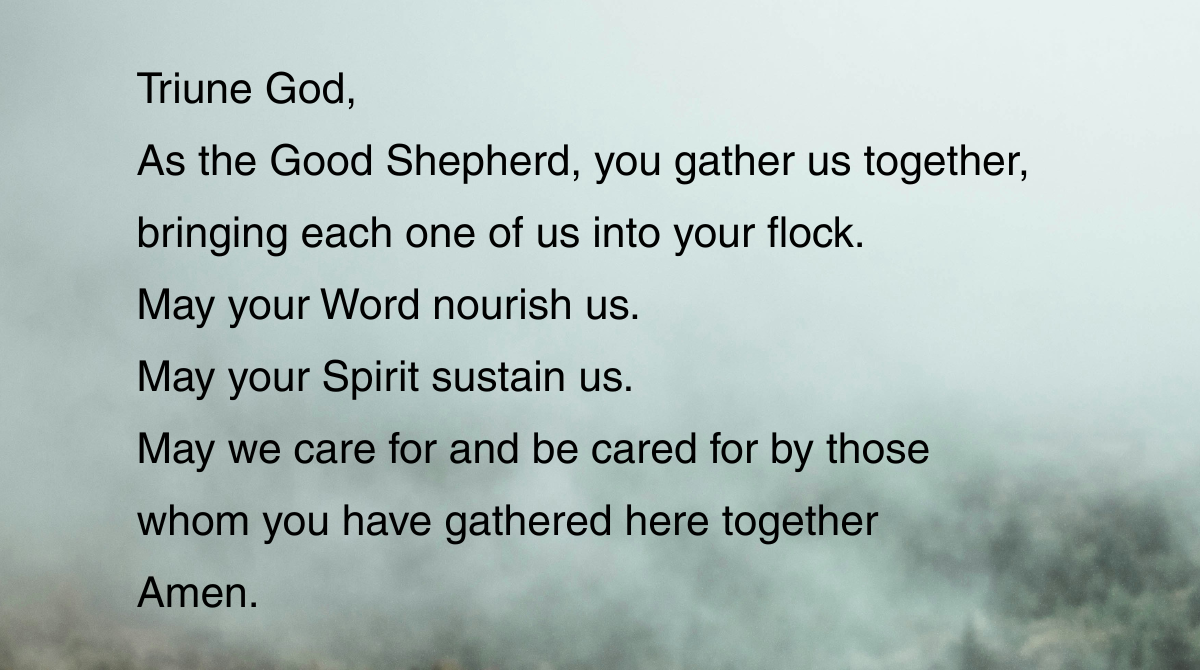
Light a candle, take some deep breaths, or sing a song, to draw your attention to God’s presence. Say this prayer together or read it to yourself.
Share with one another:
In the last week, what is something that has delightfully gone just the way you expected it to?
As a group, read 2 Kings 4: 1-7 together.
As a group, list the places of need in your community.
As time permits, listen to this song which we will be using at our next All Church gathering:
Oh How Good to Be Together
By The Wood Drake Sessions (feat. Sandra McCraken)
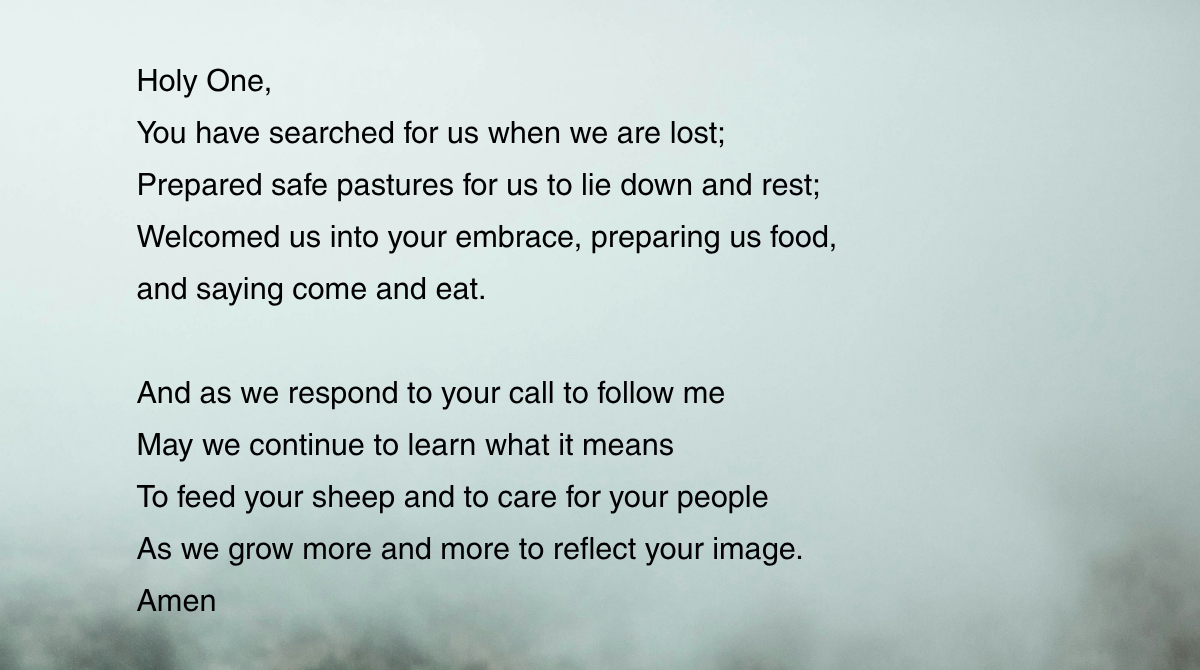
Close this time of worship by reading this prayer (written by Andrea Perrett).

Message from Janine:
Last week, we explored the parable of the Good Samaritan, and I wanted to continue the conversation in our small churches this week. There are many meaningful and impactful takeaways from this parable, but one thing that especially stood out to me was what compels someone to help another person who is in a difficult situation.
I think it can be naïve to read this parable and simply conclude that we should just be like the third person and help anyone in need. Instead, I really want us to recognize and reflect on why the first two individuals passed by without stopping, while the third one did stop. What hurdles get in the way of us helping others?
Before I was a youth pastor, I worked for an organization called The Mustard Seed in Edmonton. The organization supported members of the community with their basic needs. We ran a food bank, clothing and personal items distribution centre, chaplaincy programs for those in or coming out of incarceration, a drop-in centre, and housing support programs.
One of the things we worked hard to do with volunteers who wanted to give back was educate them about our community. We believed the way we talked about people mattered. By sharing stories, experiences, and language, we were able to create deeper understanding, relatability, and ultimately compassion.
I think this is why the story of the Good Samaritan is told in response to the question, “Who is my neighbour?” If we can find ways to see our fellow humans as neighbors, we can begin to notice, confront, and respond to the needs around us with God’s love and grace, in both small and significant ways. To me, this is the starting point for caring for others.
Split into small groups of 4–5.
Groups must find: 5 things everyone has in common that are NOT obvious (not “we all have shoes”)
Examples:
Then the group shares with each other what 5 things they discovered they have in common.
Best for: active groups
Without talking, players line up by:
Who is My Neighbor by Amy-Jill Levine & Sandy Eisenberg Sasso or another book from the suggested reading list
Choose an activity that encourages your church to support those in our community in need:
This could be a simple way to keep something small in your car so that, if you come across someone who is unhoused or asking for money, you have an opportunity to offer support and help your kids feel empowered to participate.
We can’t predict how someone may respond, but creating opportunities for our kids to help others can be a meaningful way for them to learn compassion, even if it’s simply through watching you engage respectfully and kindly with another person.
You could put together a small care bag with seasonal items or keep a few gift cards on hand (such as Tim Hortons or McDonald’s gift cards).
Take some time to discuss with your kids how and when you might offer one of these bags or gift cards. You could even try a few role-play scenarios together to help them feel more comfortable and confident in responding with kindness and care.
For inspiration you can also check out the care kit ideas and suggest items listed by UGM.
Brainstorm and share ways your family has supported those in need, especially individuals and families experiencing poverty. What new ideas could you come up with as a group, and how could you work together to make them happen?
Try to let the kids lead the conversation and contribute their own ideas. Giving them space to imagine, ask questions, and participate.
Show your neighbours some love by making some beautiful sidewalk art. Work together to make a friendly greeting on the sidewalk or driveway for your neighbors to enjoy.

So, let’s practice sharing with God one or more things where we want help. It could be help for ourselves or help for someone else. You could talk to God about it, draw a picture about it, or something else.
“God, please help ______________(person or group) with _______________ (situation).”